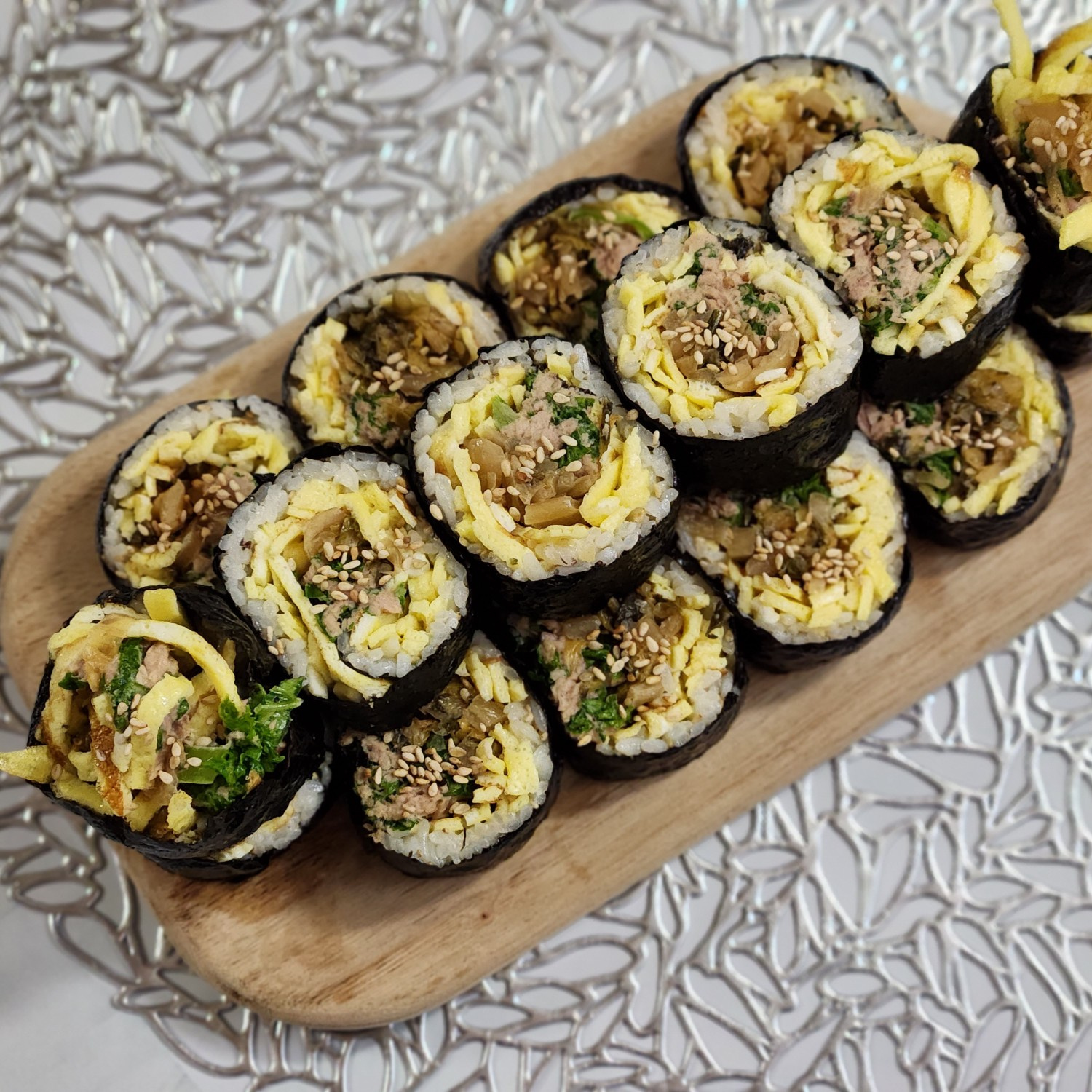
How to wrap ripe kimchi tuna kimbap deliciously
I threw away delicious gimbap with ripened kimchi, tuna, and eggs. It's really good without pickled radish!
2 serving
Within 30 minutes
하이디랑
- Ingredients
-
-
dried seaweed for kimbap4piece
-
ripe kimchi250g
-
canned tuna135g
-
instant rice210g
-
Eggs4ea
-
mustard leaves2piece
-
Sesame oil2TS
-
Sesame oil2TS
-
Sesame2TS
-
Mayonnaise1.5TS
-
Honey mustard0.5TS
-
Parmesan cheese1TS
-
Sugar0.5TS
-
ground peppersuitably
-
perilla oil1TS
-
Sugar1TS
-
Sesame1TS
-
cooking wine1TS
-
Salt2little
-
- Cooking Steps
-
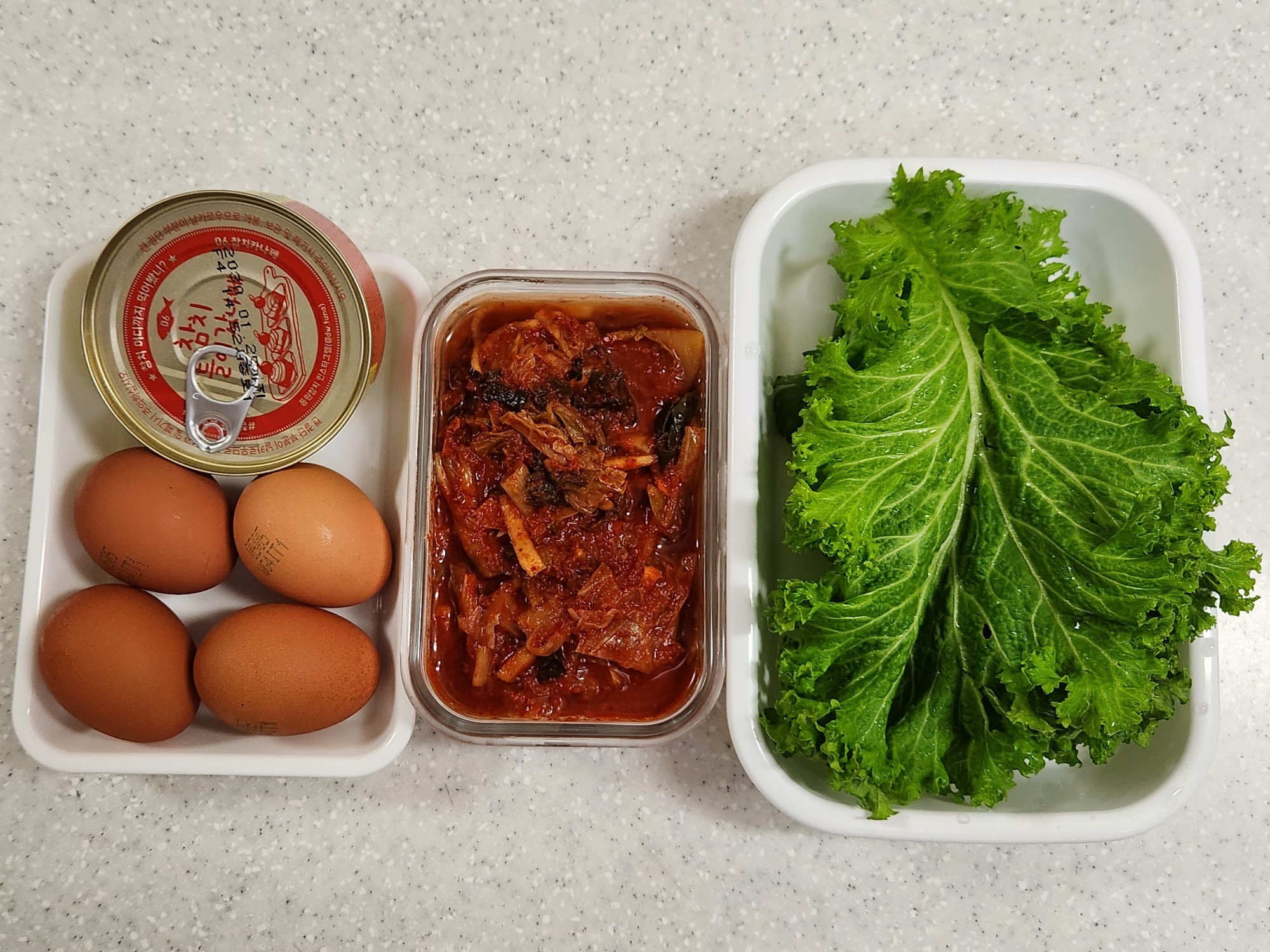
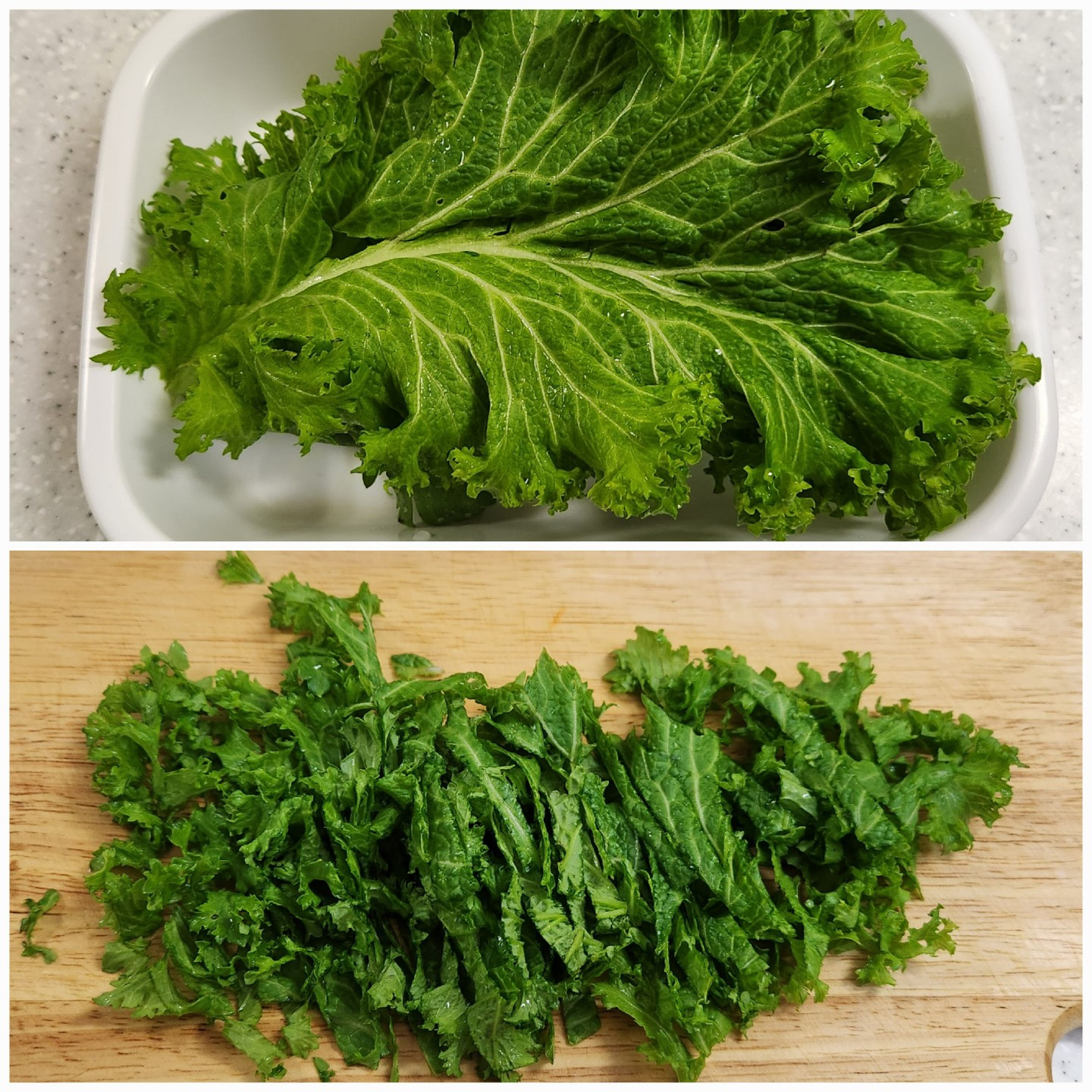
STEP 1/13I prepared ingredients to make ripe kimchi tuna kimbap. There are mustard leaves, so I put them in. You can use perilla leaves instead of mustard leaves.
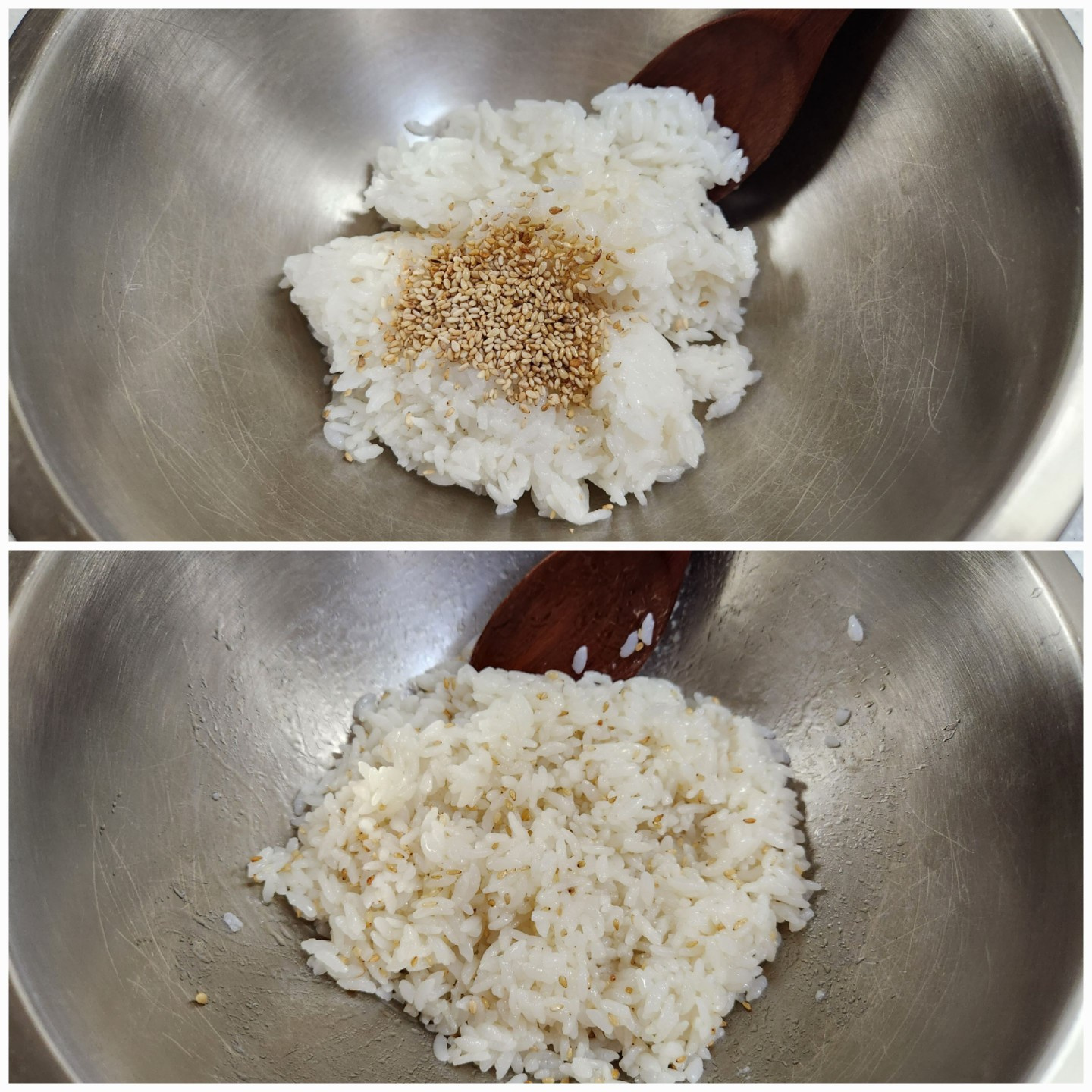
 STEP 2/13Put 2 tablespoons sesame seeds and 2 tablespoons sesame oil in a bowl of hot rice and cool it down. When rice is hot, the steam shrinks and doesn't roll beautifully.
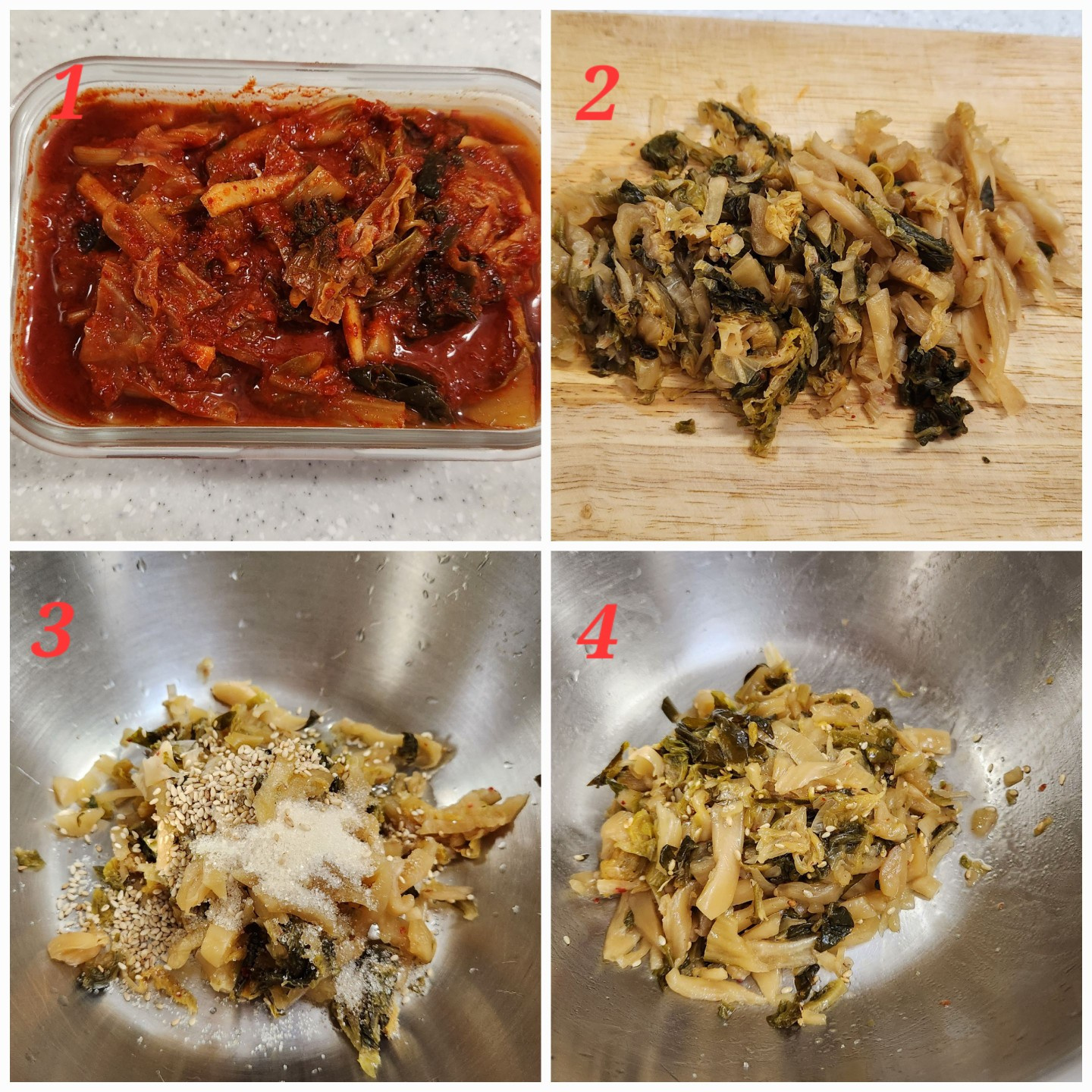
 STEP 3/13Shake off the inside of the ripe kimchi, wash it, squeeze the water out, and shred it. Add 1 tablespoon of perilla oil, 1 tablespoon of sesame seeds, and 1 tablespoon of sugar and mix them.
 STEP 4/13After washing the mustard leaves, I dried them with a kitchen towel and shredded them.
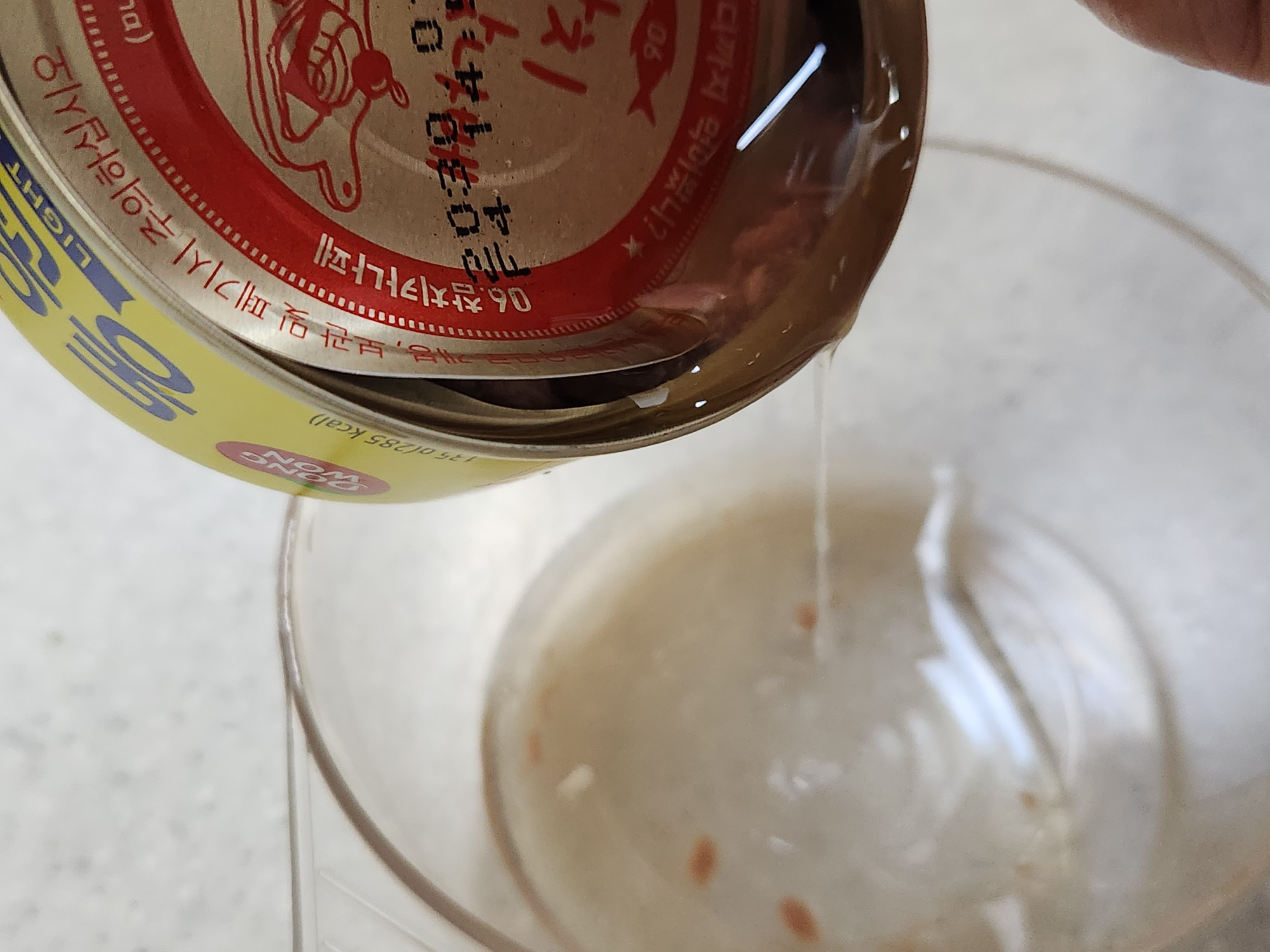
 STEP 5/13The can of tuna is slanted so the oil escapes easily if you tilt the lid.
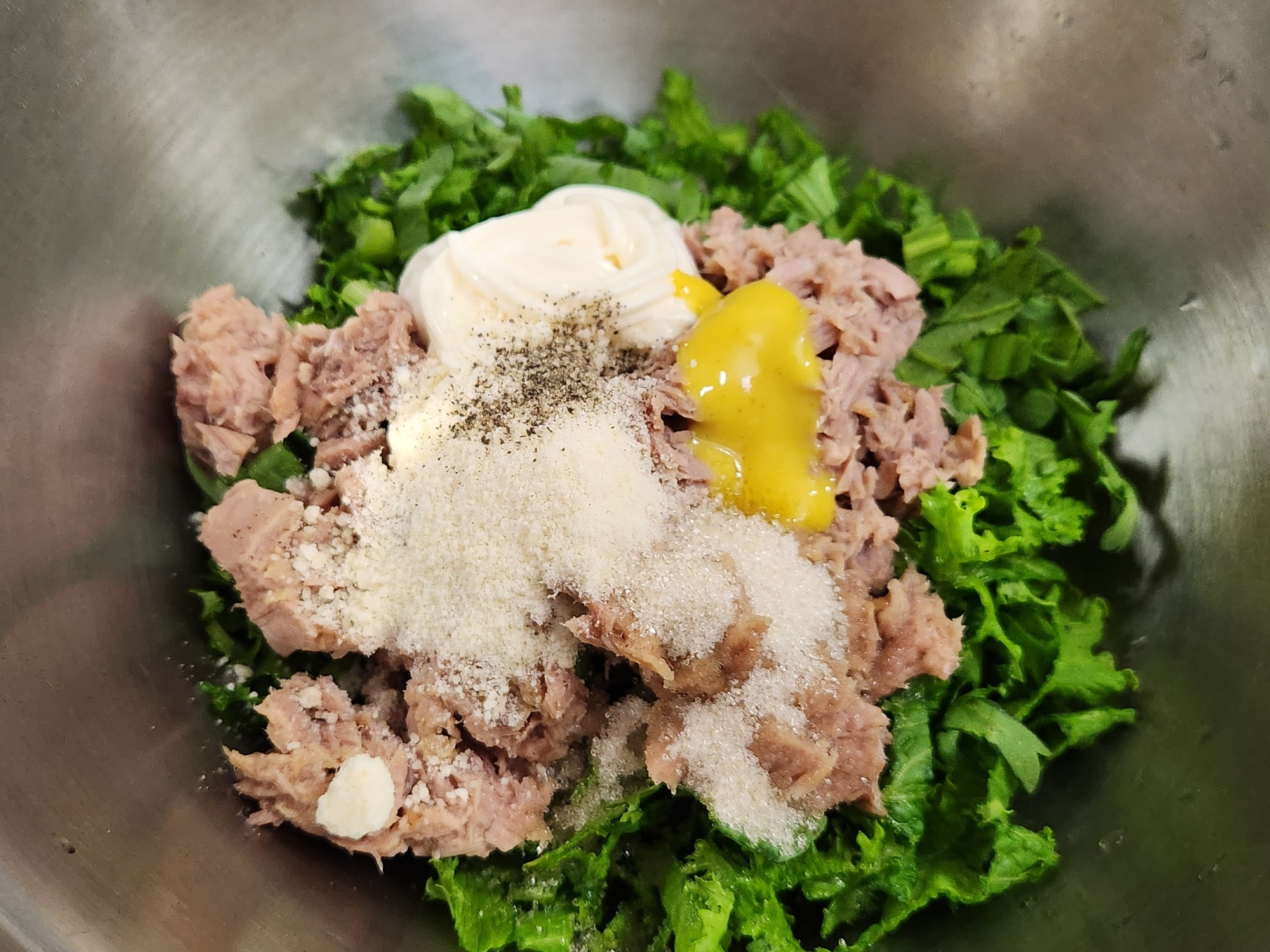
 STEP 6/13Add 1.5 tablespoons of mayonnaise, 1 tablespoon of honey mustard, 1 tablespoon of parmesan cheese, 0.5 tablespoon of sugar and pepper to the tuna.
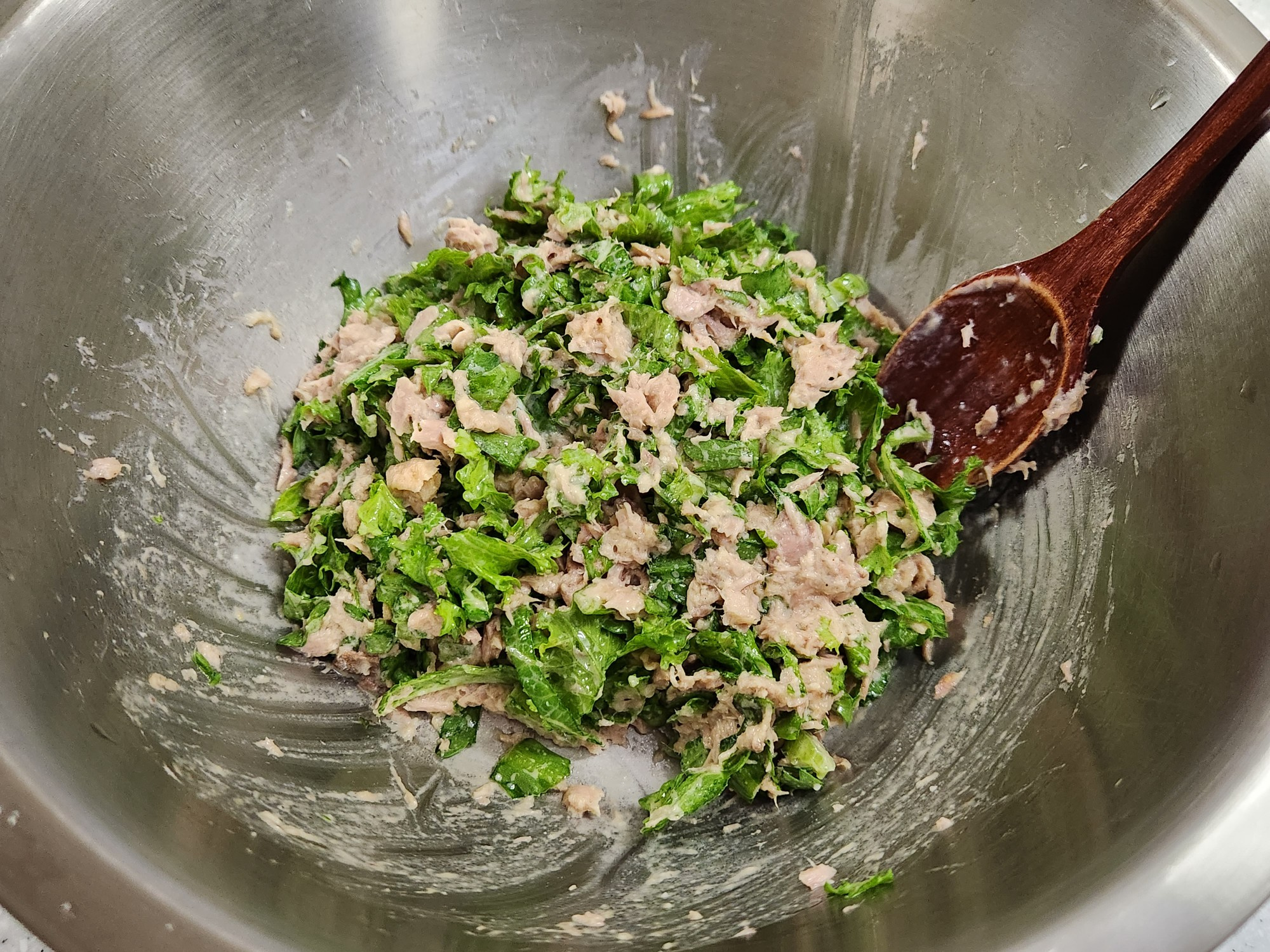
 STEP 7/13Mix it well.
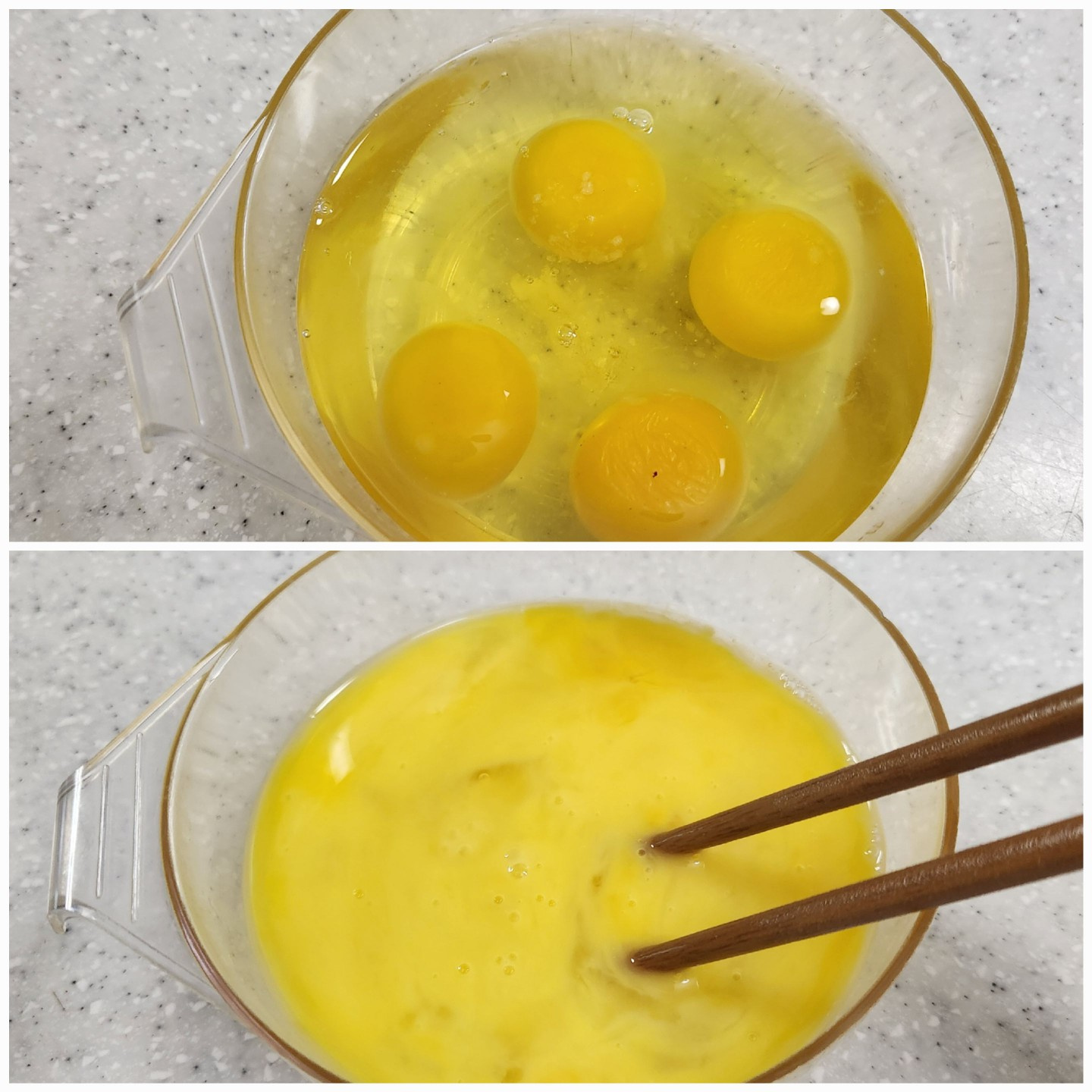
 STEP 8/13Beat in 4 eggs, 1 tablespoon of cooking wine, and 2 pinch of salt.
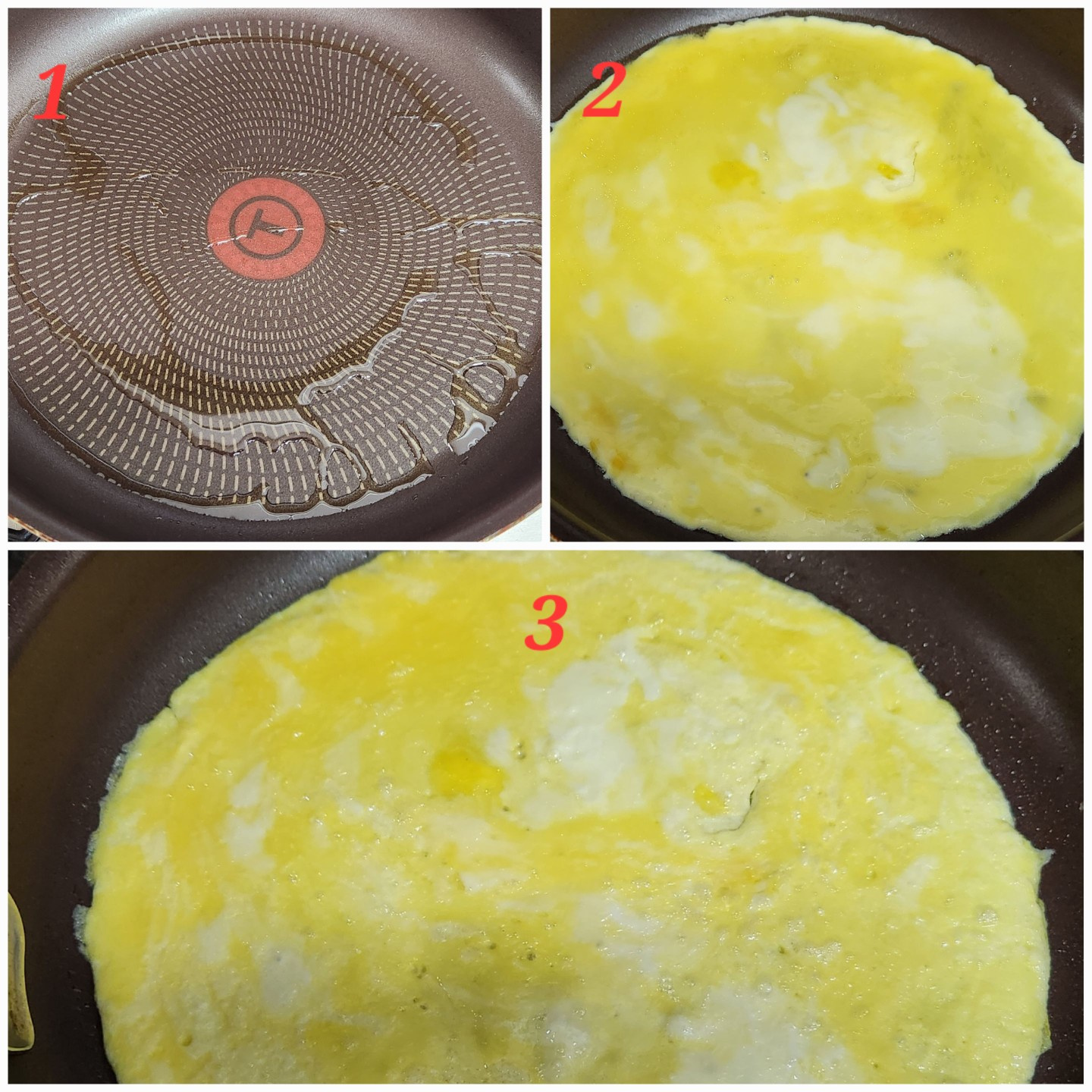
 STEP 9/13Put 1 tablespoon of sesame oil in a frying pan over low heat and add half of the egg. When the surface of the eggplant is fluffy, do not turn it over and transfer it to a dish. I'll fry another piece of egg garnish.
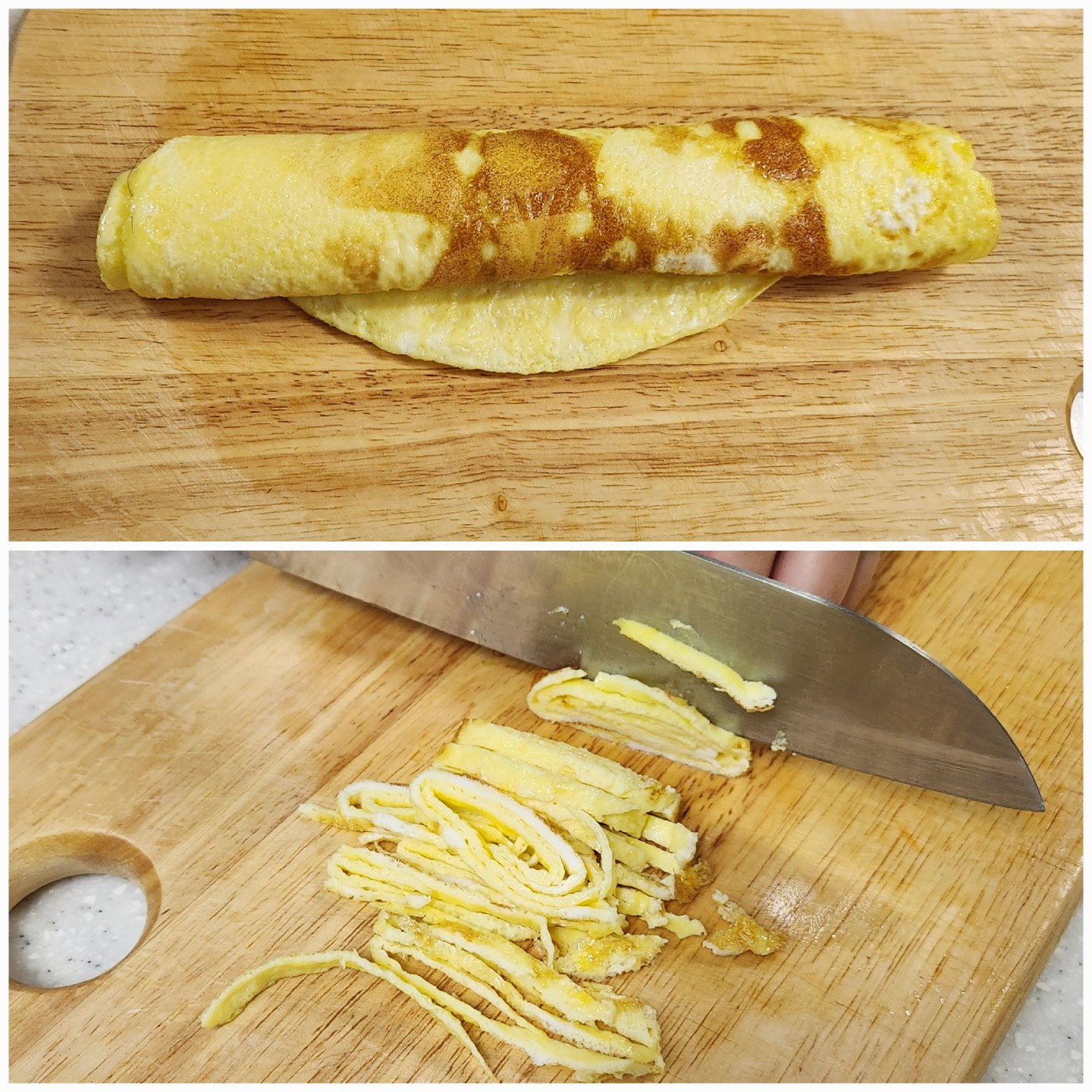
 STEP 10/13Roll the cooled egg garnish and shred it.
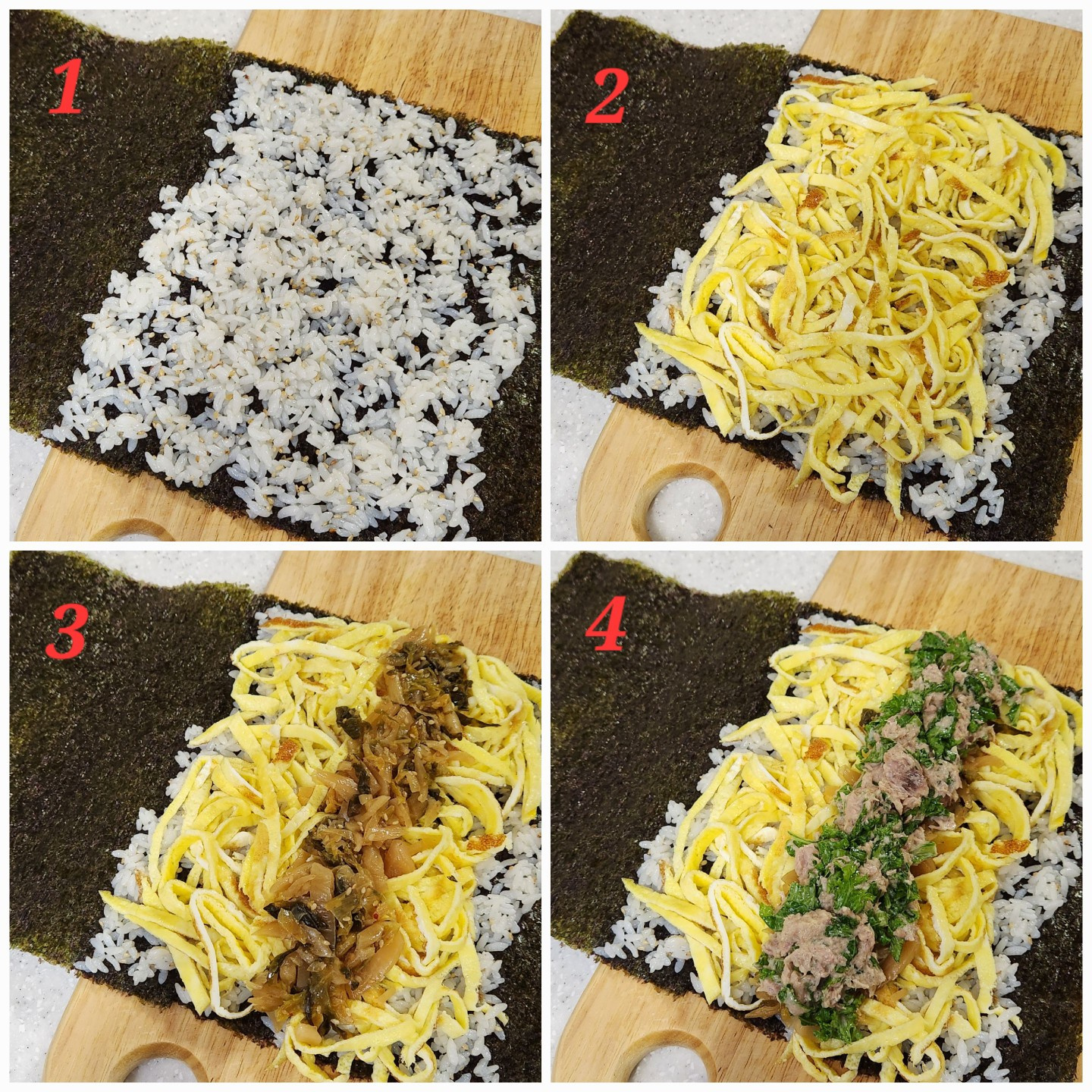
 STEP 11/13Let the rough side of the seaweed go up and make it long by overlapping two sheets of seaweed. Put half a bowl of rice on a thin layer of seaweed. If you wear sanitary gloves, the rice grains don't stick, so you can spread them well. Put a lot of egg garnish on the rice and put it in the order of ripe kimchi and tuna mayo. If you put rice grains or water on the end of seaweed, it sticks well.
 STEP 12/13Put sesame oil on it instead of kimbap.
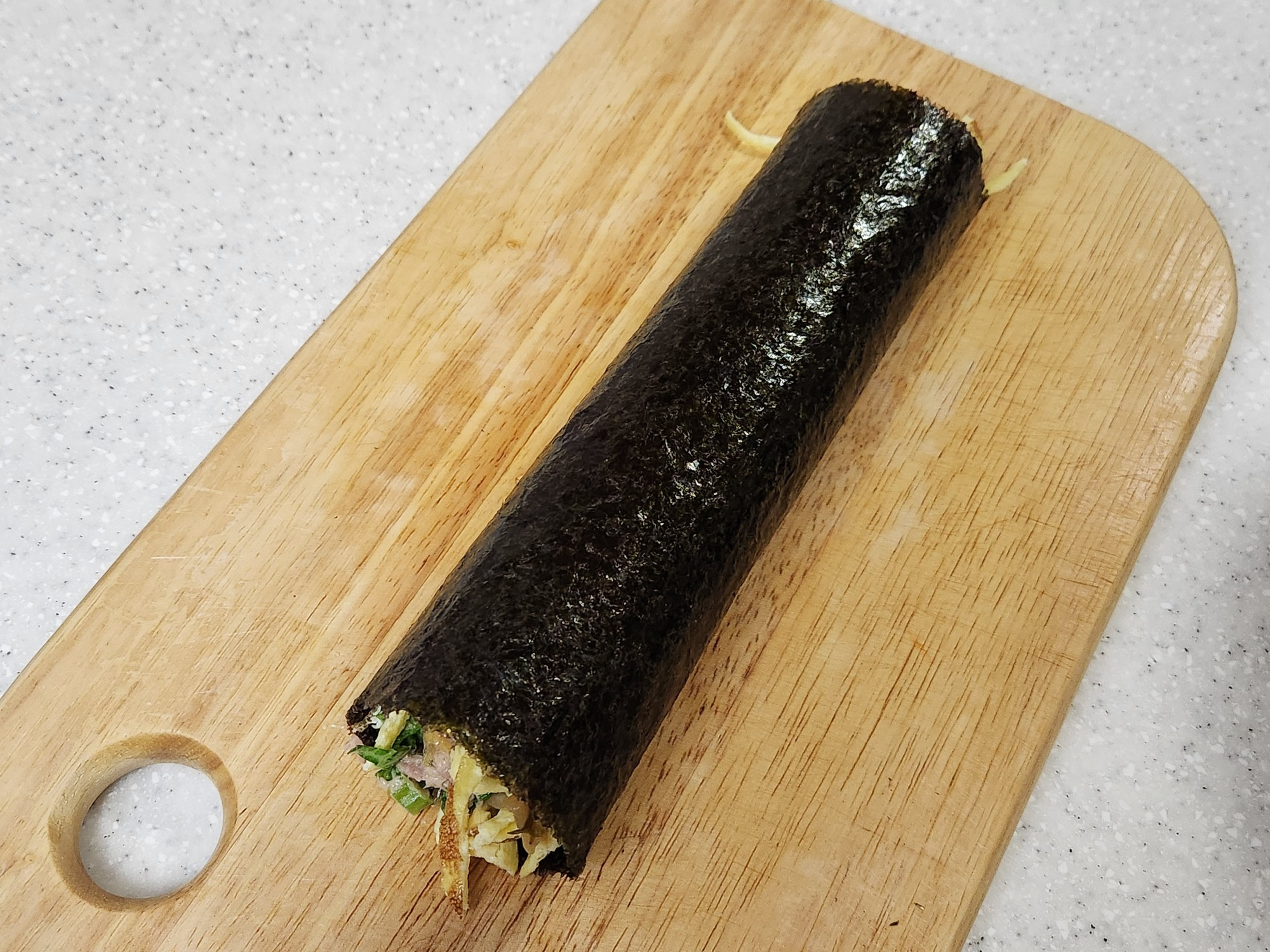 STEP 13/13Cut it gently like sawing with a knife. It's a savory and delicious ripe kimchi tuna gimbap.
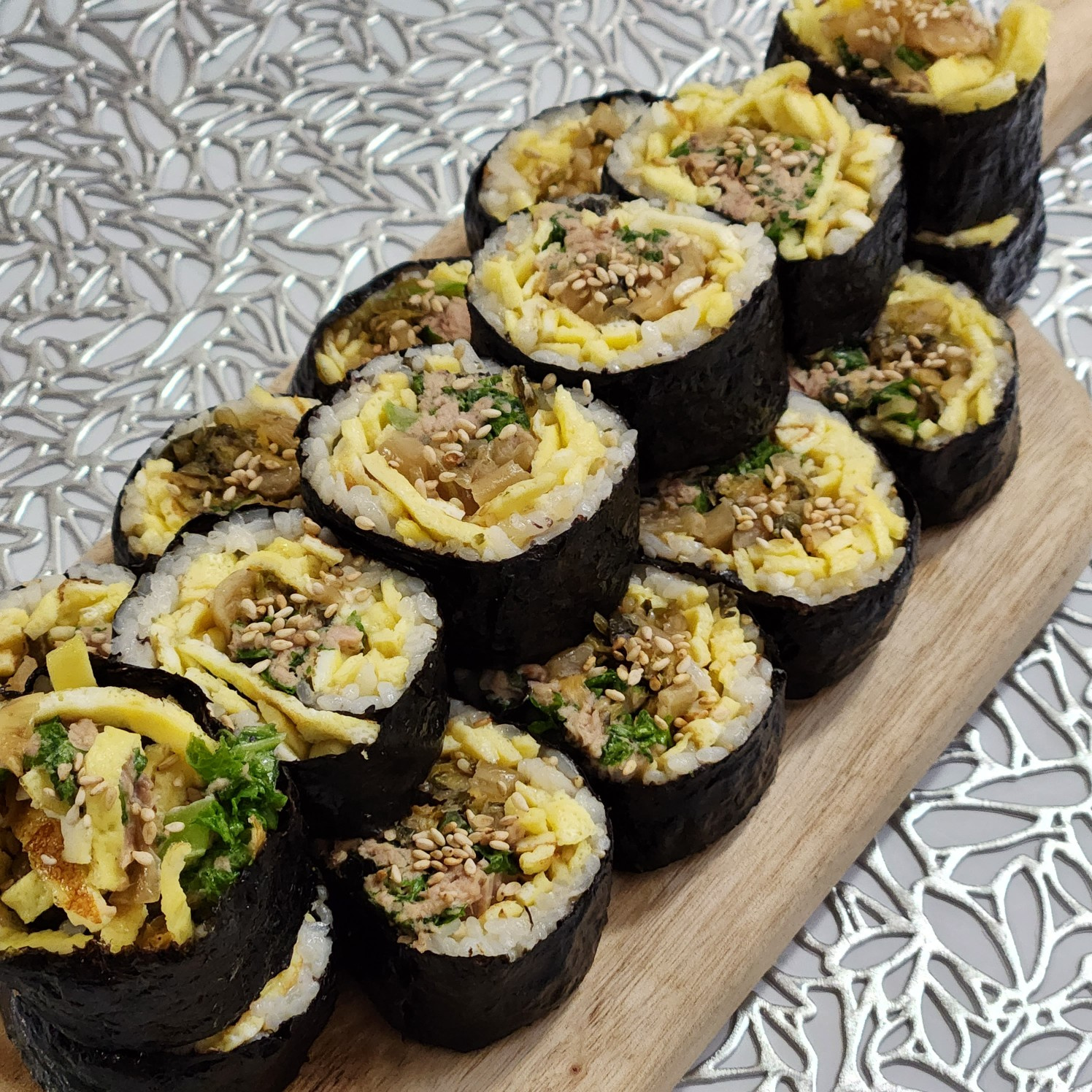 If you make it long by overlapping two sheets of seaweed, you can wrap the gimbap well even if you add a lot of ingredients.
- stir-fried Rice Cake Recommended recipe
-
-
1
 [Self-cooking] Making super simple tteokbokki + honey flavor is4.92(518)
 -
2
 Making Baekjubu tteokbokki4.96(81)
 -
3
 The soup tteokbokki, golden recipe. Gungmul is more delicious4.93(371)
 -
4
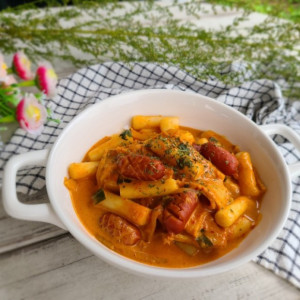 Making Rose Tteokbokki - Without whipped cream, deliciously~5.00(54)
-
- chicken Recommended recipe
-
-
1
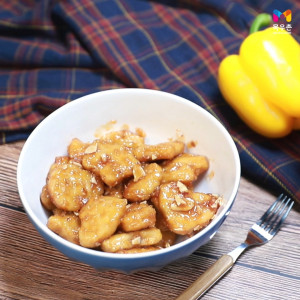 Sweet and salty, sweet and salty chicken! Making Mokwoochon Chic5.00(10)
 -
2
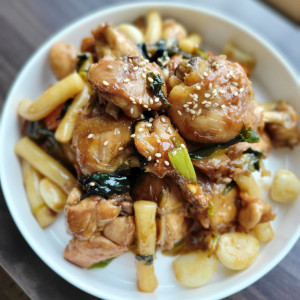 Ryu Soo-young Galbi Chicken Pyeon-storang 25 minutes Complete Eo5.00(10)
 -
3
 Cooking using leftover chicken! Making "Kkkanpung Chicken"4.95(20)
 -
4
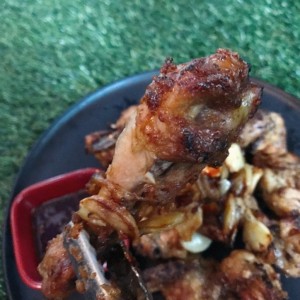 Simple Goobne Garlic Chicken (Air Fryer)4.86(22)
-