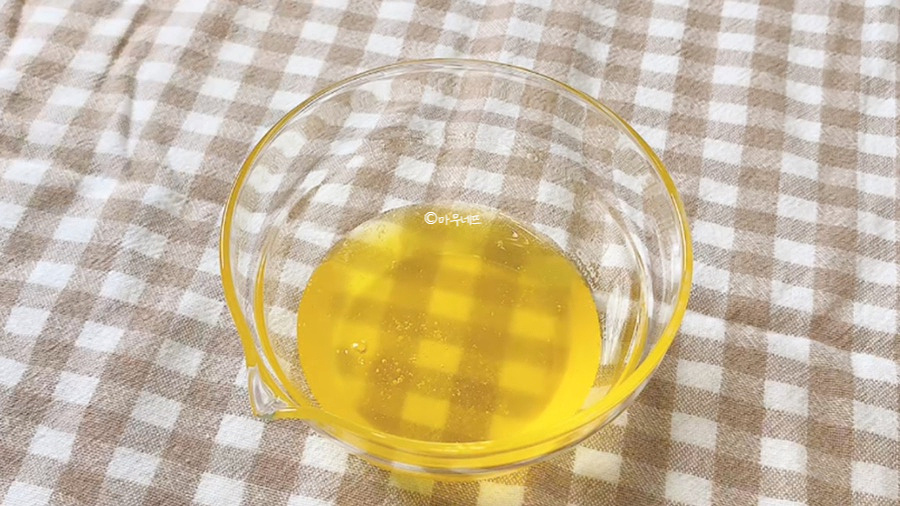
Method of making and storing purified butter and ghee butter
It's refined butter. It's called Ghee butter in India. France is called Br Clarifier, and in English it is called Clarified Butter.
1 serving
Within 15 minutes
마무네뜨
- Ingredients
-
-
unsalted butter100g
-
- Cooking Steps
-
STEP 1/7Butter is made up of 80 percent pure fat and 20 percent water and dry matter.
This balance keeps the butter in shape. Low heat causes cracks in this balance, separating fat, moisture, and dry matter.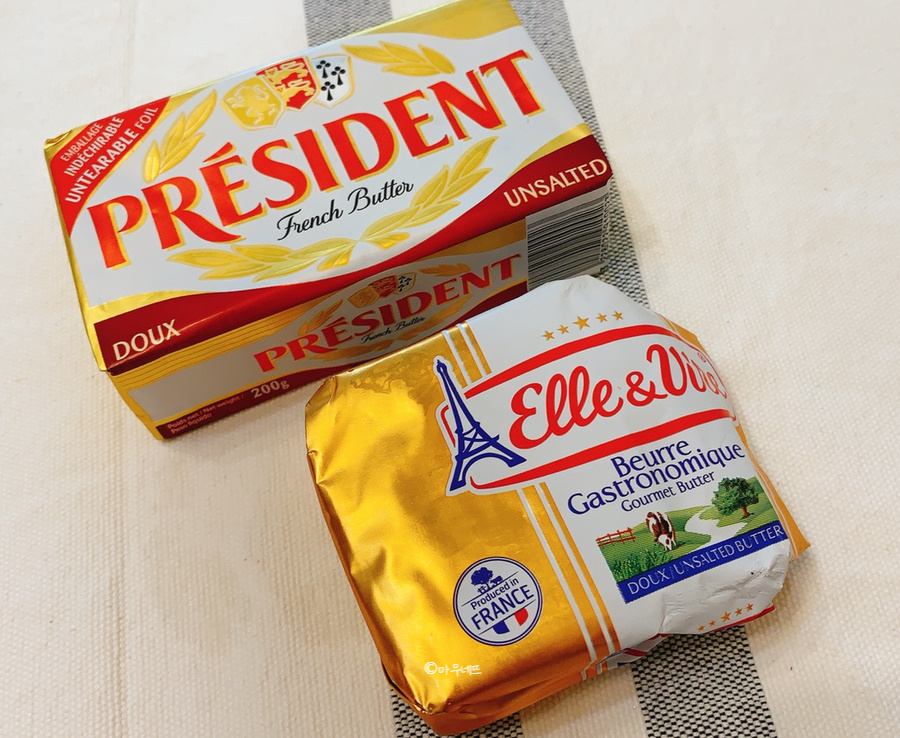 STEP 2/7Melt the butter in a medium bath. You can do it over low heat, but the double boiler is much more stable.
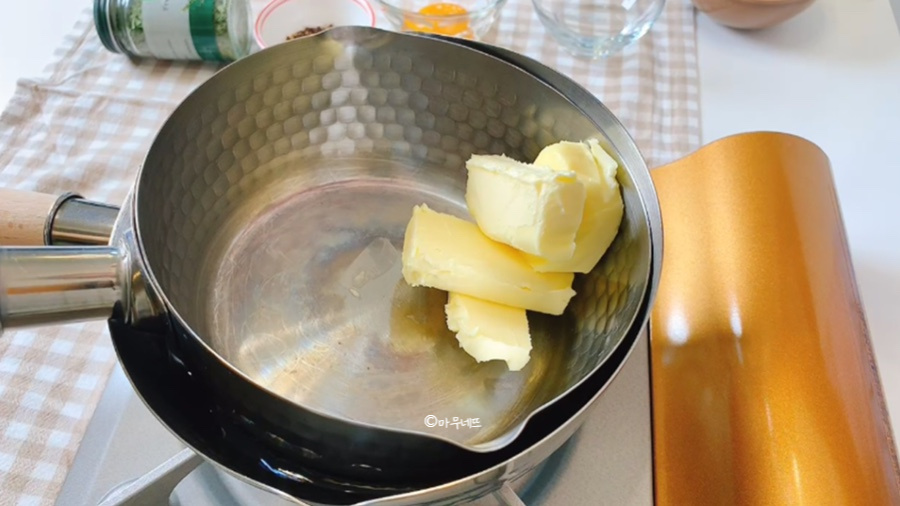 STEP 3/7When the butter melts, white impurities form. Remove it with a spoon. You can walk more easily if you turn off the light.
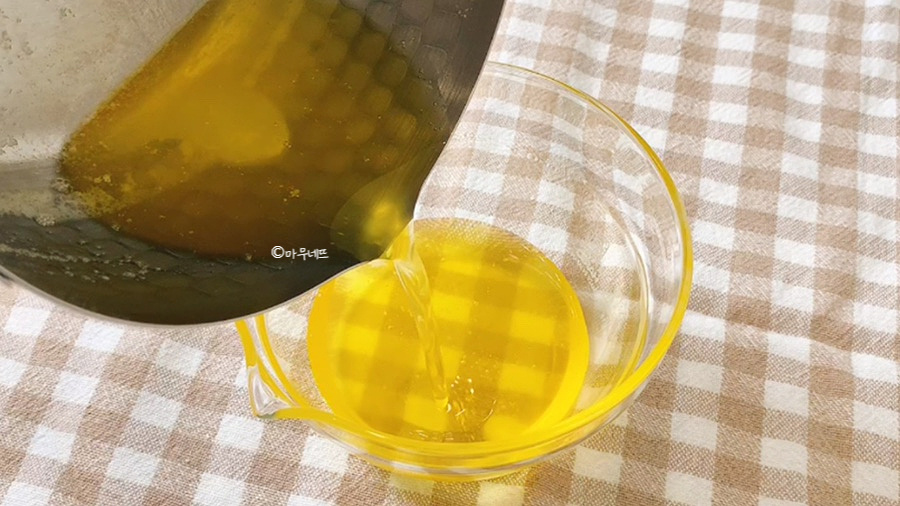
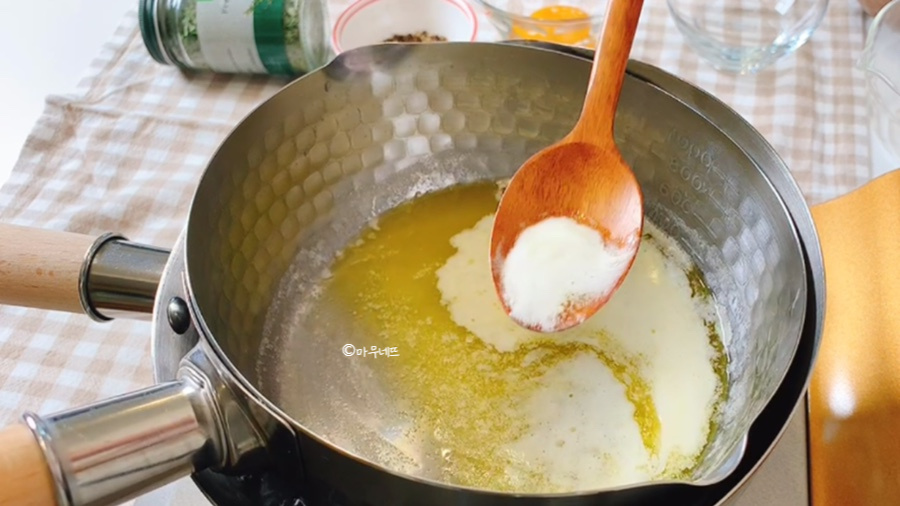 STEP 4/7Lactose is sunk down here. Except for this, pour only refined butter into the container.
 STEP 5/7If you pour it into a clean container, you can see the heavy lactose last. Just put it in there so that lactose doesn't go in.
 STEP 6/7Reason for using in gibbutter cooking: The moisture and protein are removed, so the butter's heat point rises to 170 degrees, so it can be used at high temperatures such as stir-frying.
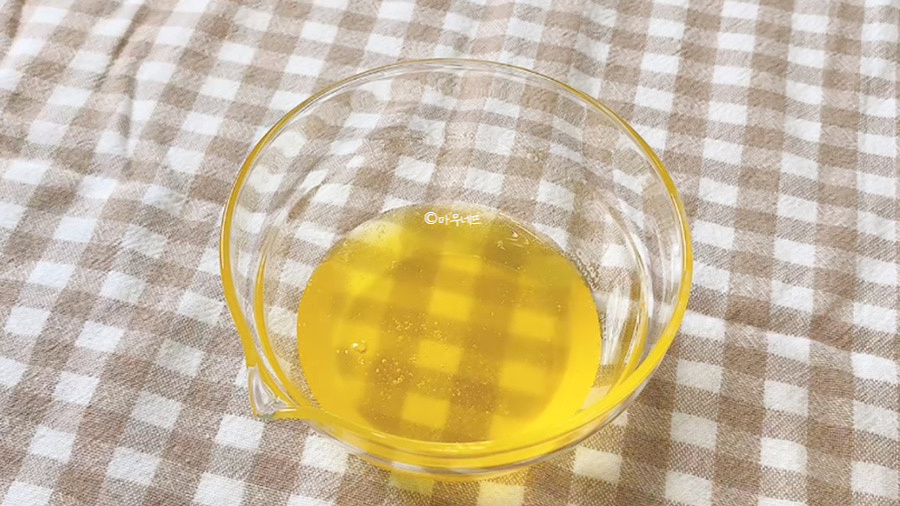 STEP 7/7Storage: Refrigerate in an airtight container for up to a month.
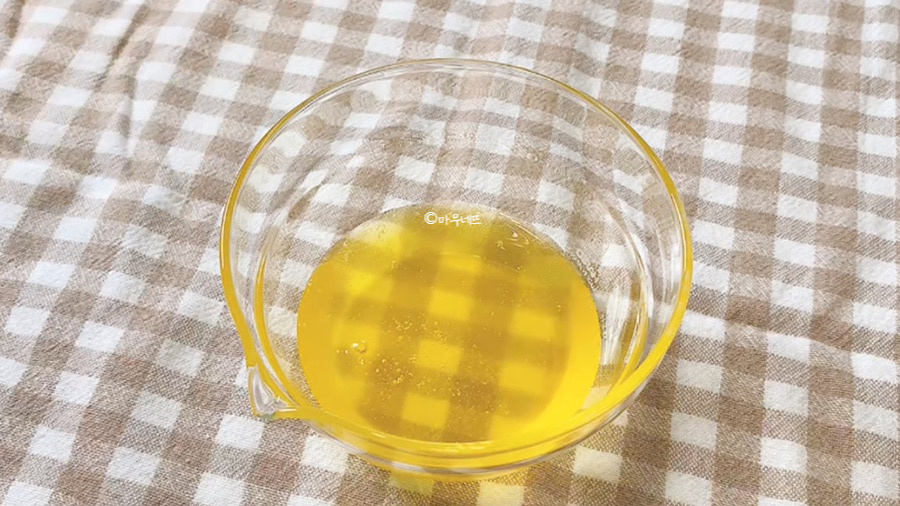 If you make it too small, it's hard to separate and the amount is very small, so make it plenty. Unlike brown butter, refined butter is yellow and clear. It's important to keep the temperature low so that the butter doesn't boil. Be careful not to burn the protein. That's why I recommend a double bath.
- Bulgogi Recommended recipe
-
-
1
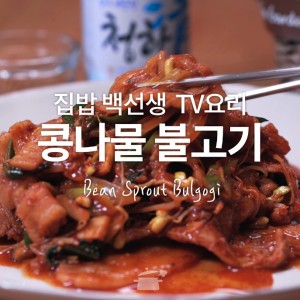 You know the famous dish, right! Bulgogi with bean sprouts4.93(44)
 -
2
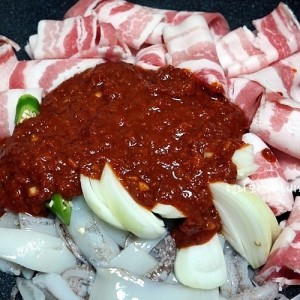 Successful recipe for Osam Bulgogi. 100% simple main dish5.00(36)
 -
3
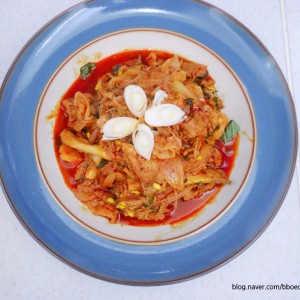 Jongwon Baek Bean sprout bulgogi golden recipe rice thief~4.89(63)
 -
4
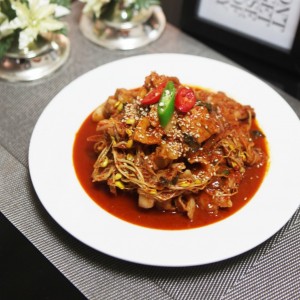 Chef Baek's bean sprout bulgogi4.82(105)
-
- Japchae Recommended recipe
-
-
1
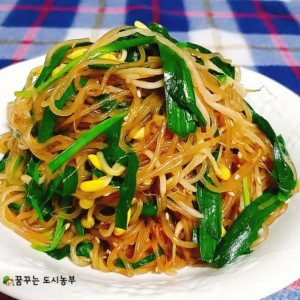 It's easy and quick to make chives, beans, and vegetables4.83(6)
 -
2
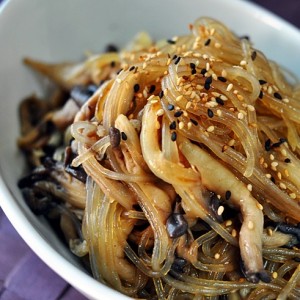 How to make japchae. It's simple. Mushroom japchae4.38(8)
 -
3
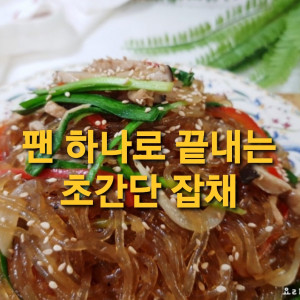 One pan japchae that doesn't stir-fry the ingredients separately5.00(18)
 -
4
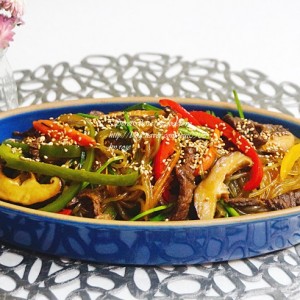 How to make delicious chives japchae4.78(9)
-