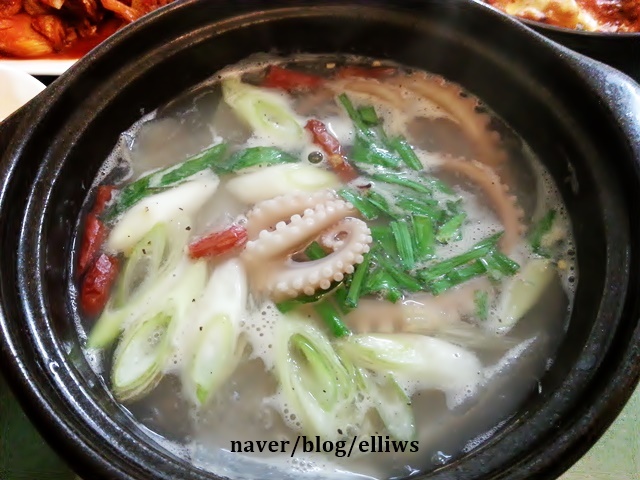
Octopus soup...Clear soup made of raw octopus in season (to reli
Small octopus in spring and small octopus in autumn...I tried making Yeonpotang, which is good for hangover, after drinking. Octopus, which stands up even when falling down, is good for rejuvenation and for children's growth and development, so it is a good food for autumn health.
3 serving
Within 30 minutes
elliws재원맘
- Ingredients
-
-
Octopus3ea
-
leek1ea
-
leeklittle
-
dried red pepper3ea
-
crushed garlic1t
-
Salt1t
-
ground pepperlittle
-
lily1ea
-
Radish1bowl
-
Water1500ml
-
- Cooking Steps
-
STEP 1/12Lilies are marinated overnight in salt water.
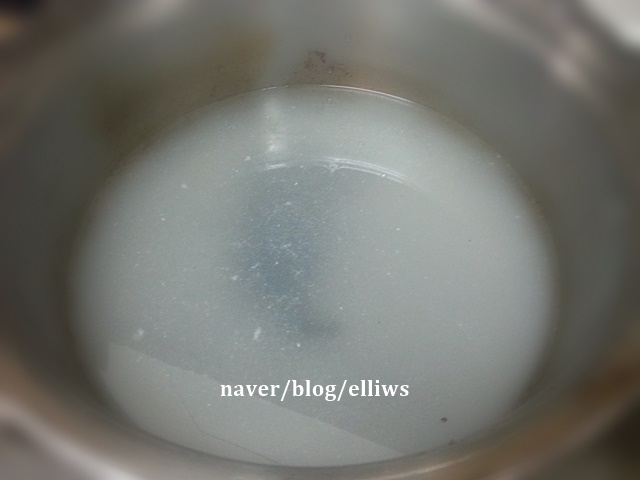
Wash it clean and put it in a sieve.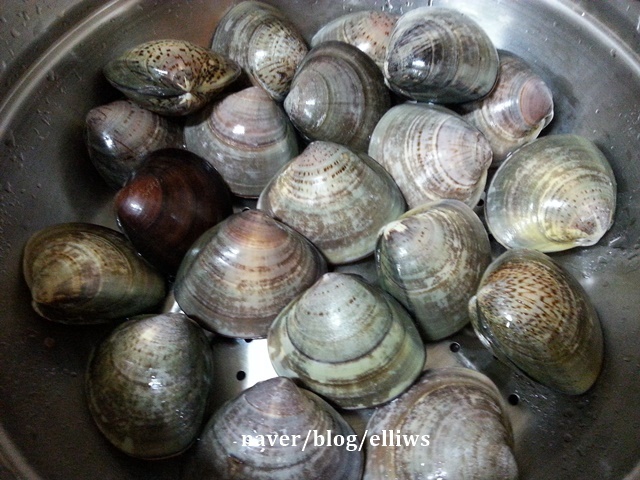 STEP 2/12A sheet of kelp in the rice water for 15 minutes.
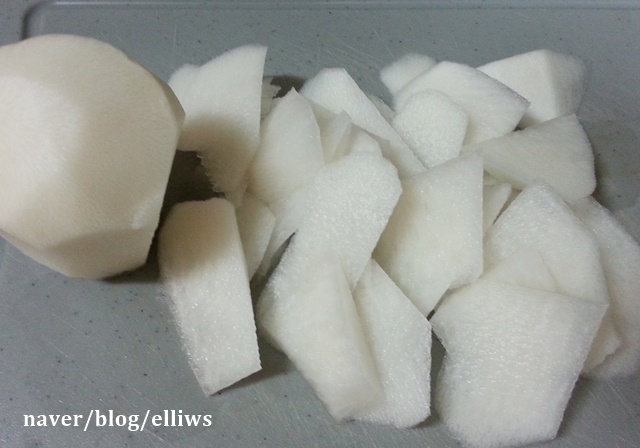
 STEP 3/12Cut radishes sideways by brushing them up. (Slightly large)
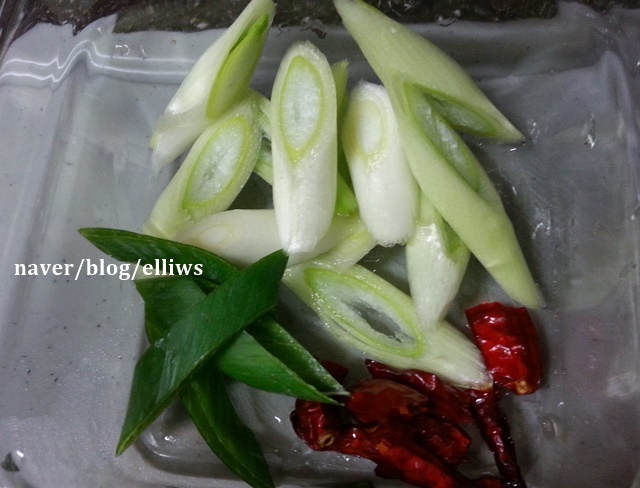
 STEP 4/12Cut the green onion diagonally. Cut dried red pepper (Vietnam) into 2cm long pieces.
 STEP 5/12Put the radish in the rice water and after a while, take out the kelp and add the lily. When the lily opens its mouth, it removes the foam and turns off the heat.
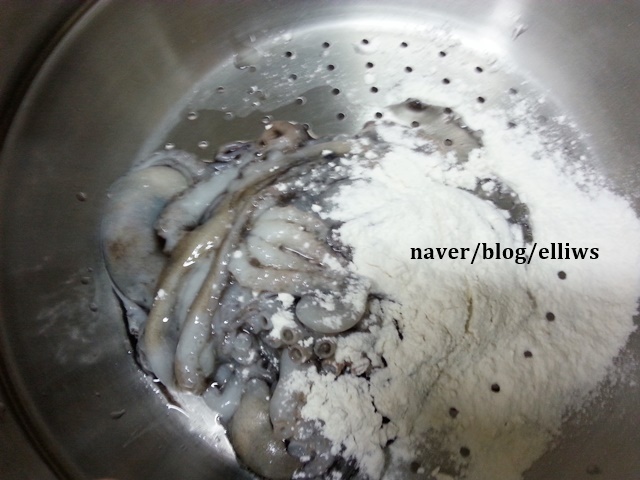
(Please eat the lily separately.)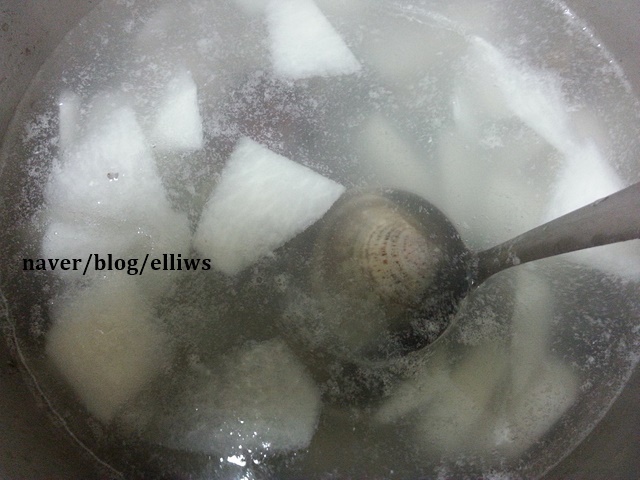 STEP 6/12Sprinkle the small octopus with flour and wash the dirt on the sucker by pulling the legs all the way.
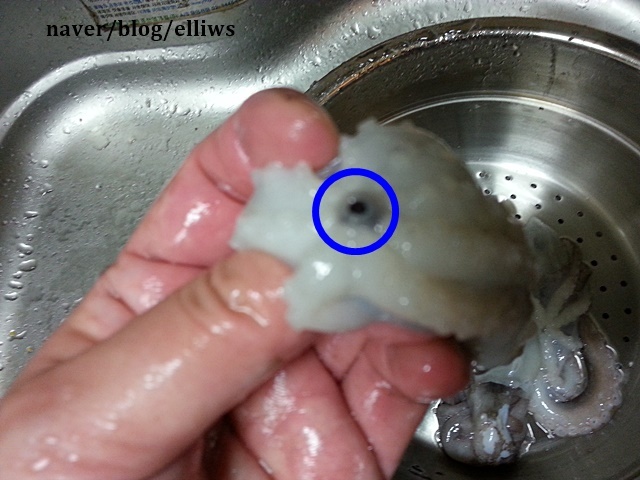
 STEP 7/12Turn the head of the octopus upside down, remove the intestines, and then restore the head.
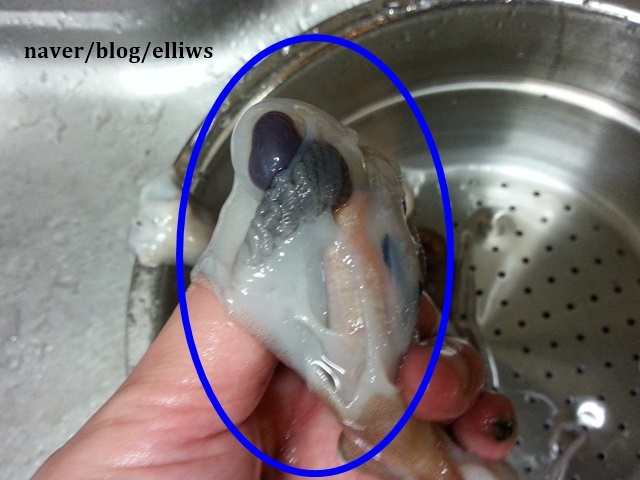 STEP 8/12Remove the mouth between the legs of the octopus.
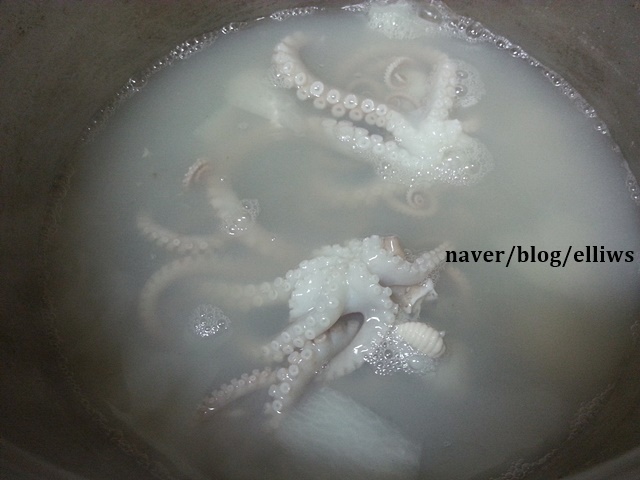
 STEP 9/12Add 1T of cooking wine to the stock from which the lily was removed and bring to a boil again. When it steams, put the octopus in the head first.
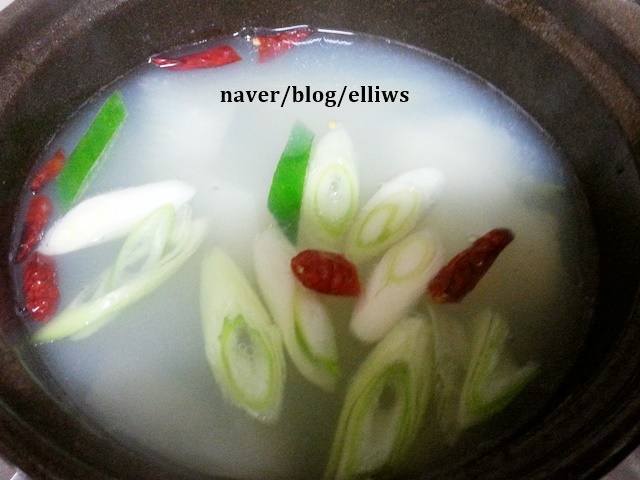
 STEP 10/12Heat the earthen pot (burner on the table) over a side fire, add green onions, dried red peppers, and 1t of garlic, and add 70% of the broth with radish.
 STEP 11/12Put the octopus in shape and taste it with pepper. Season with salt if it is bland.
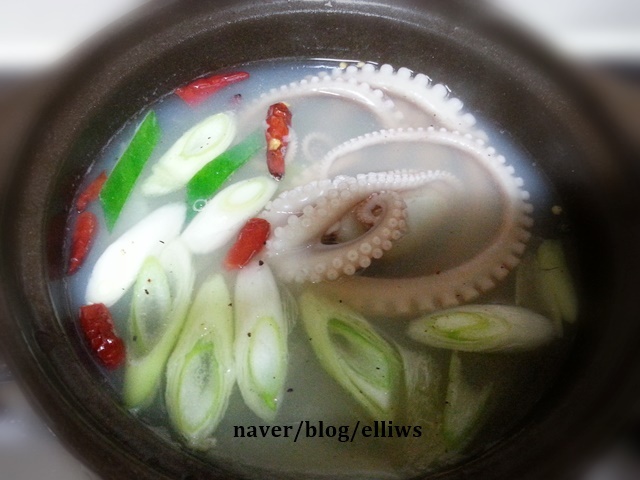 STEP 12/12Instead of crown daisy, I added 1T of chives at the end.
After the octopus is fully cooked, cut it with scissors and eat Yeonpotang.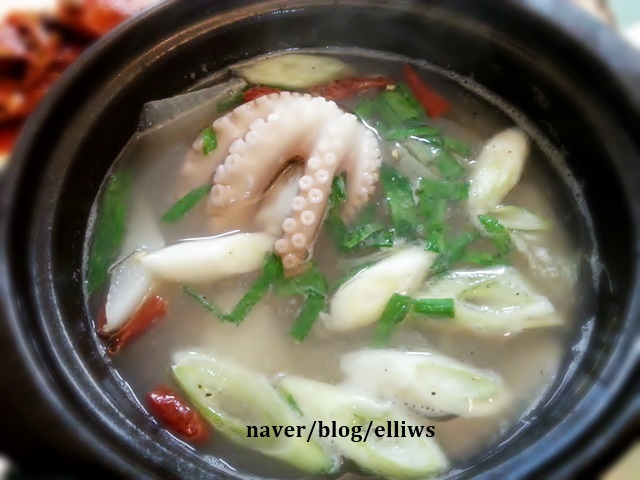 The etymology of Yeonpotang is tofu stew. In the past, beef was precious, so I put octopus in the village near the beach. At that time, tofu was precious, so tofu was the main ingredient...Recently, tofu has become so easy to get and cheap that tofu has been removed and octopus has become the main character. In the restaurant specializing in octopus hot pot soup, you can make it with gourd instead of radish and yellow cabbage leaves in autumn The soup is cool and savory.
- Cooking review
-
5.00score
-

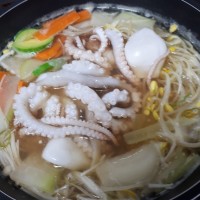 629*****scoreI made Yeonpotang after looking at the recipe, and it's delicious. My husband, who doesn't have an appetite these days, ate it well because of the cool taste of the soup.2018-04-01 08:48
 -
 871*****scoreIt's so delicious!2017-12-23 12:41
 -
248*****scoreI made it well. Thank you~^^2016-12-14 12:31
-
- Japchae Recommended recipe
-
-
1
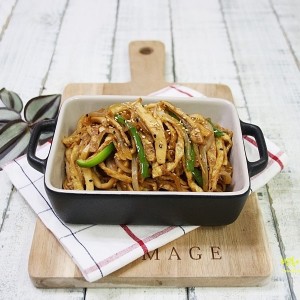 Texture gangster fish cake japchae / stir-fried fish cake4.92(13)
 -
2
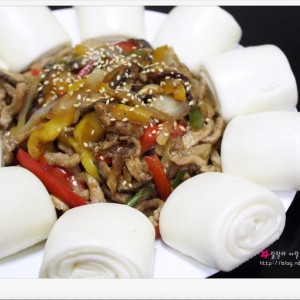 (Drinking at home) Chili Chili Japchae - Home Party / Guest Serv4.97(274)
 -
3
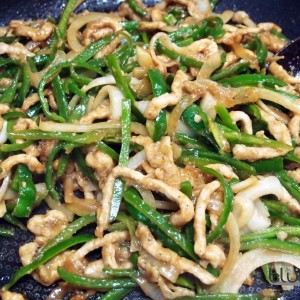 Chef Lee Yeonbok makes chili japchae4.88(16)
 -
4
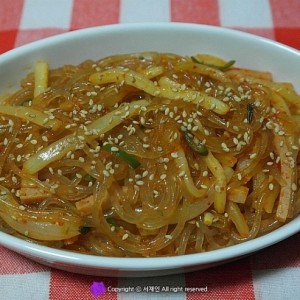 [Noodle dish] Spicy. "Kimchi Japchae"4.96(48)
-
- chicken Recommended recipe
-
-
1
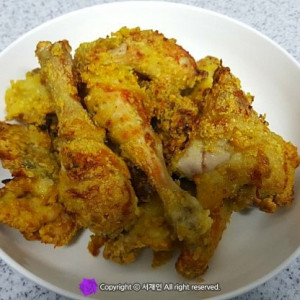 "Air fryer chicken" crispy on the outside and moist on the ins4.90(40)
 -
2
 Making Kyochon Chicken - Soy Sauce Seasoned Chicken4.76(21)
 -
3
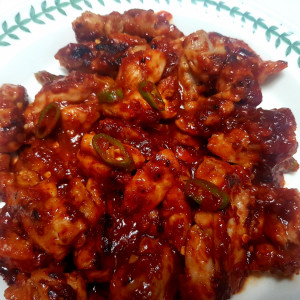 Imitating Zikova Chicken4.78(9)
 -
4
 Making soy sauce chicken Kyochon slap sauce :)4.81(63)
-