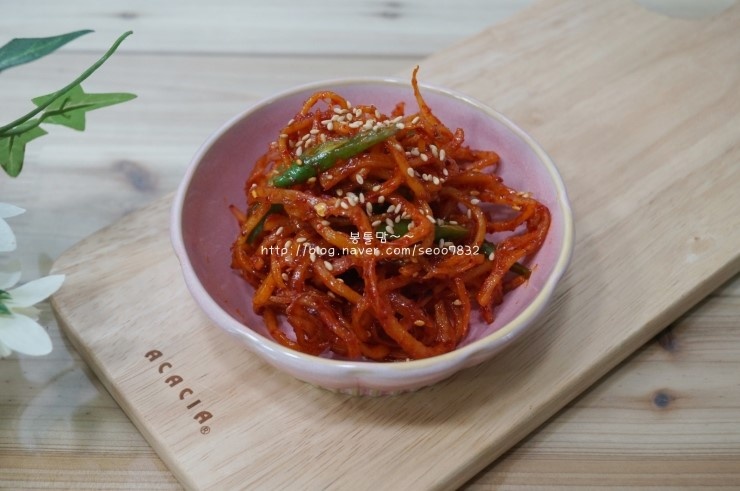
Golden recipe for stir-fried dried squid
Golden recipe for stir-fried dried squid, which is good as a lunch box side dish. Since there are many families, we have to make side dishes every other day. Today, I made stir-fried dried squid, which is also good as a side dish for lunch boxes. Jinmichae is good with soy sauce and stir-fry it. It's really good with red pepper paste and stir-fry it. These days, many office workers take their lunch boxes with themselves. Stir-fried dried squid is also good as a side dish for lunch boxes. I'll teach you how to make stir-fried dried squid.
6 serving
Within 10 minutes

봉틀맘
- Ingredients
-
-
Dried squid
-
Cheongyang red pepper
-
Soju
-
Mayonnaise
-
red pepper paste
-
Red pepper powder
-
Soy sauce
-
Starch syrup
-
cooking wine
-
- Cooking Steps
-
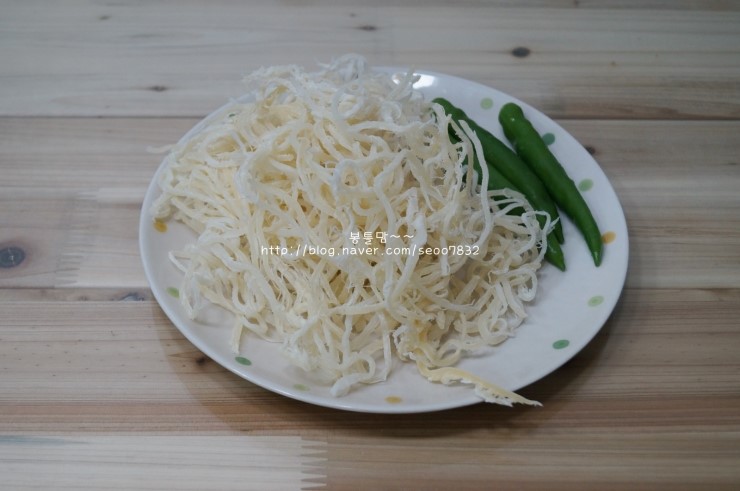
STEP 1/11Jinmichae tastes better if you stir-fry it with hot pepper.
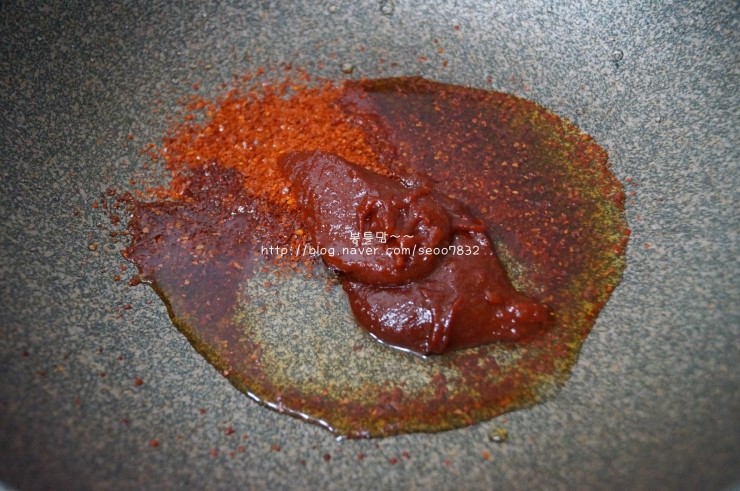
 STEP 2/11Seasoning is red pepper paste 2, red pepper powder 1, soy sauce 1, starch syrup 1, cooking wine 2 [based on rice spoon] I boiled the seasoning once.
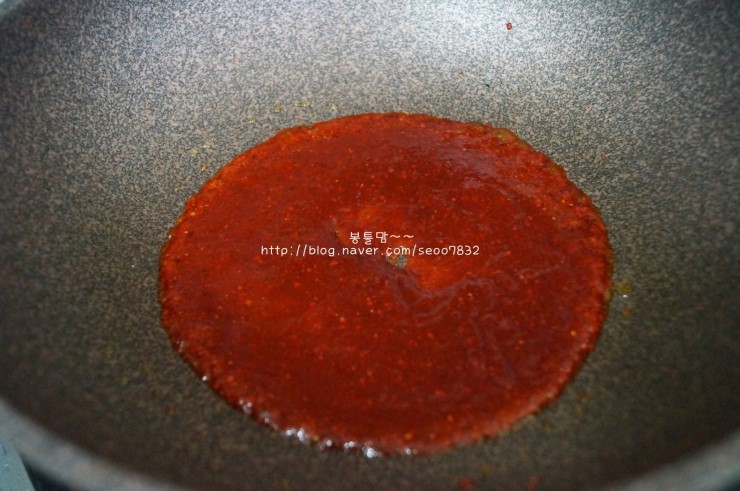
 STEP 3/11You can boil the sauce first.
 STEP 4/11I put dried squid, soju, and mayonnaise in the sauce I boiled earlier. If you add mayonnaise to dried squid, it's good because it's not hard even when it's cold.
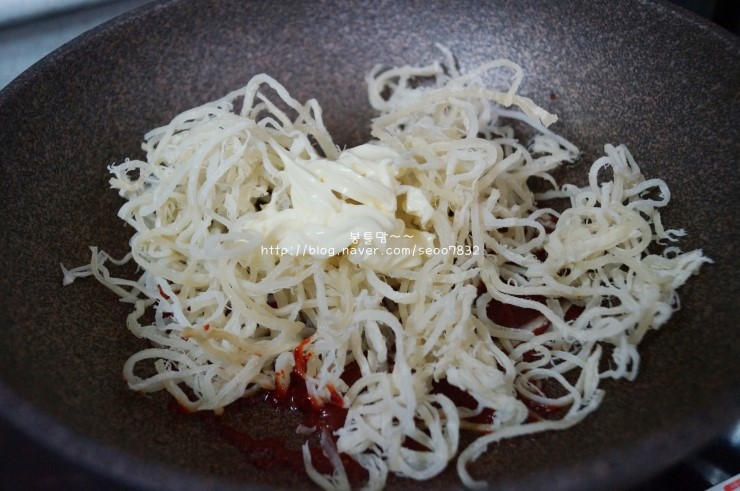 STEP 5/11When you make dried squid, you usually rinse it in water. If it's a soft dried squid, you can do it without rinsing it separately. I can't drink soju, but I always buy it for cooking. Instead of rinsing it in water, I poured a cup of soju to make it softer.
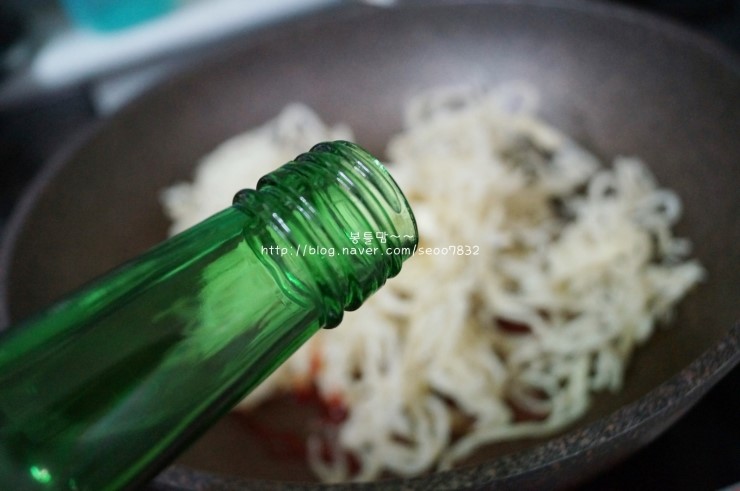 STEP 6/11You can marinate it with sauce and stir-fry it, or you can mix it gently with chopsticks.
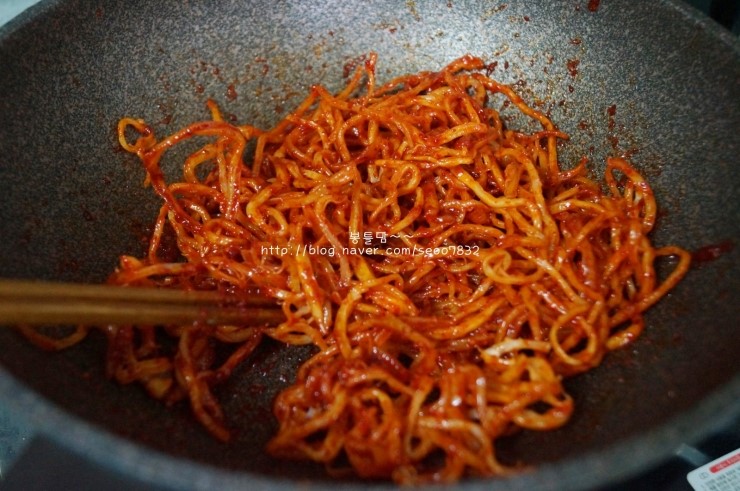 STEP 7/11When you stir-fry delicacies, make sure to stir-fry them on low heat because they have seasoning in them. Otherwise, I get on easily.
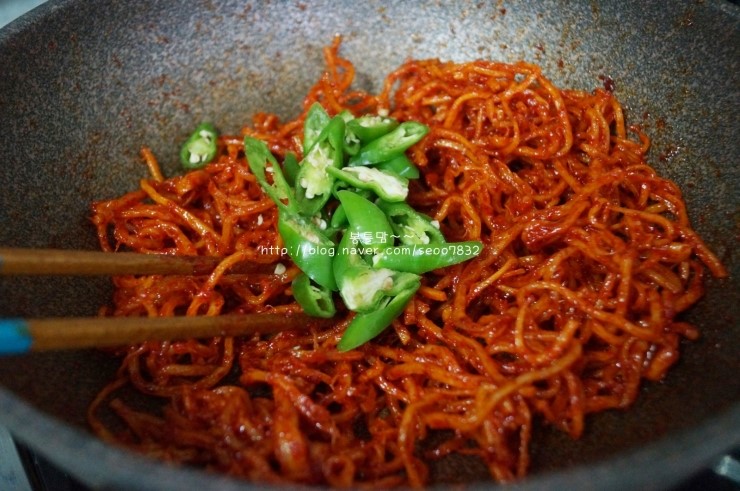 STEP 8/11Stir-fry it gently using chopsticks.
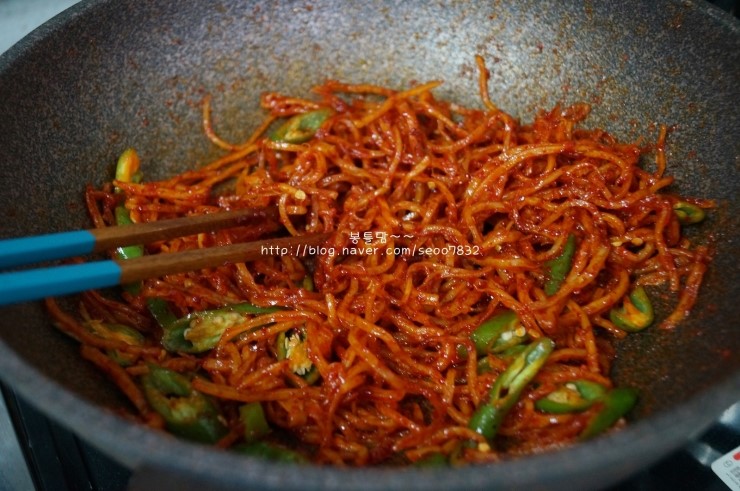 STEP 9/11When it's a little mushy, it's done.
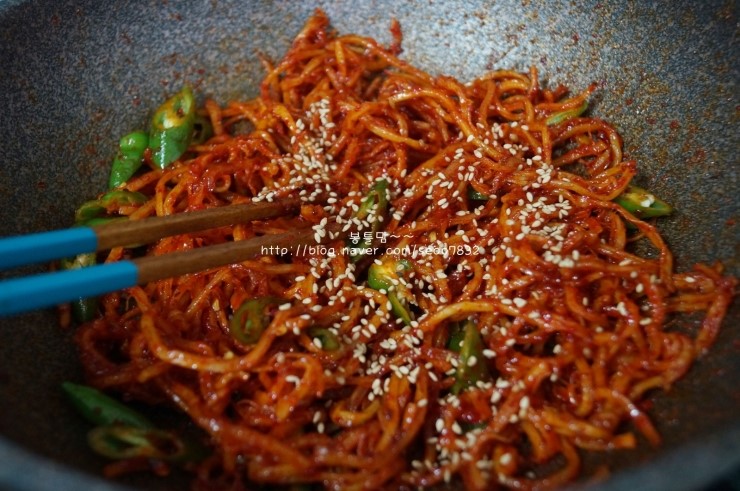
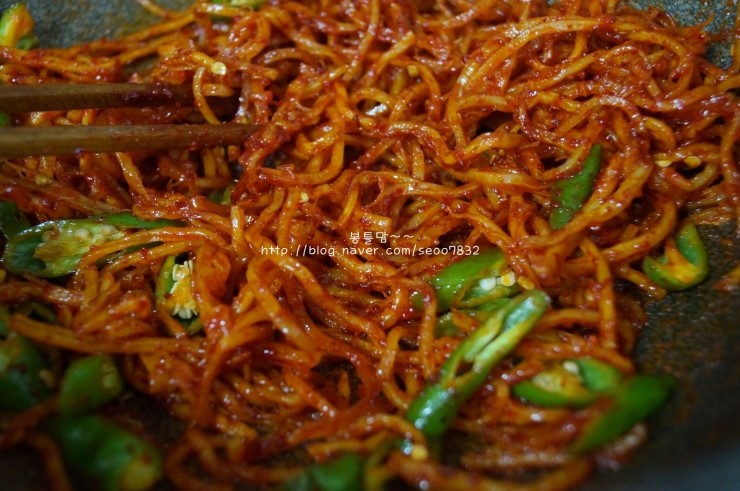 STEP 10/11The finish is done if you sprinkle sesame seeds.
 STEP 11/11It's stir-fried dried squid, which is good as a side dish for lunch boxes. I use soy sauce and red pepper paste seasonings alternately, and it's really good to use as a side dishes. Cheongyang chili peppers are not that spicy these days, so even if you add this much, it's not that spicy. It's good to wrap rice with dried seaweed in the morning with stir-fried dried seaweed. Stir-fried dried squid is also good as a side dish for lunch boxes.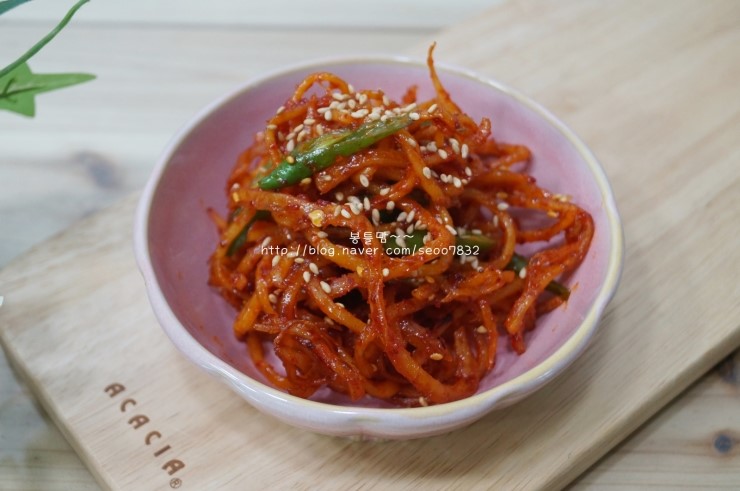
- stir-fried Rice Cake Recommended recipe
-
-
1
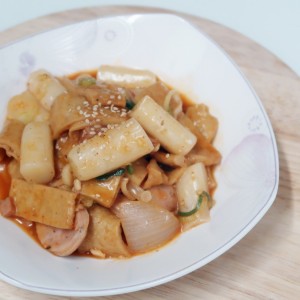 Ketchup tteokbokki. Making spicy tteokbokki. Eye snacks4.91(55)
 -
2
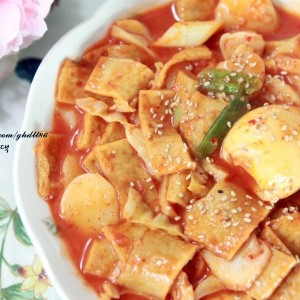 Golden recipe for tteokbokki with soup It's really sweet4.68(53)
 -
3
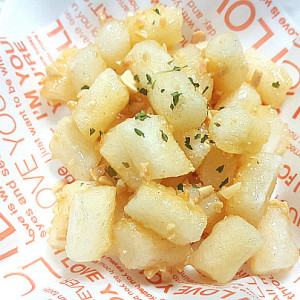 Super simple snack, honey tteokbokki!It's good for kids' snacks,4.96(55)
 -
4
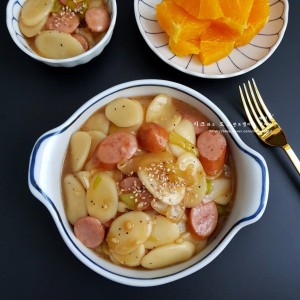 Oh, soy sauce tteokbokki4.94(164)
-
- chicken Recommended recipe
-
-
1
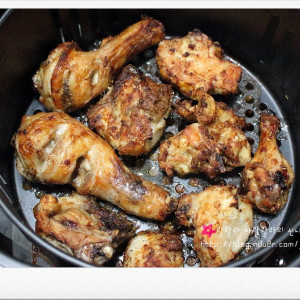 (Air fryer cooking) Air fryer chicken. - Making side dishes for4.74(19)
 -
2
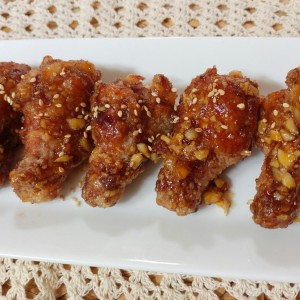 [Copying Kyochon Chicken]4.96(208)
 -
3
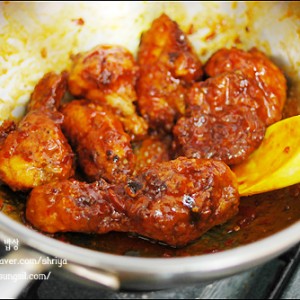 Fried and seasoned chicken4.86(7)
 -
4
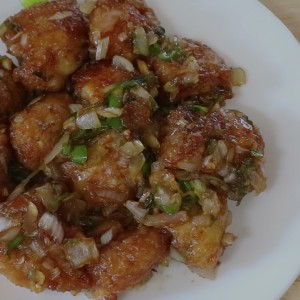 Cooking using leftover chicken! Making "Kkkanpung Chicken"4.95(20)
-